Empowering children, families, educators, and schools through evidence-based psychological, educational, and developmental services that nurture potential, strengthen wellbeing, and support meaningful growth.
Kidspiration is a multidisciplinary child development and educational psychology practice committed to helping children and young people understand their strengths, overcome challenges, and reach their potential.
Our work goes beyond diagnosis. Through comprehensive assessments, targeted interventions and enrichment, career and future-readiness guidance, parent empowerment, teacher training, and school consulting, we provide integrated support across the different stages of a child’s developmental and educational journey.
We believe meaningful change happens when children, families, educators, and schools work together. Our approach therefore connects psychological understanding with practical, evidence-based strategies—helping children thrive, families flourish, and schools build more inclusive learning environments.
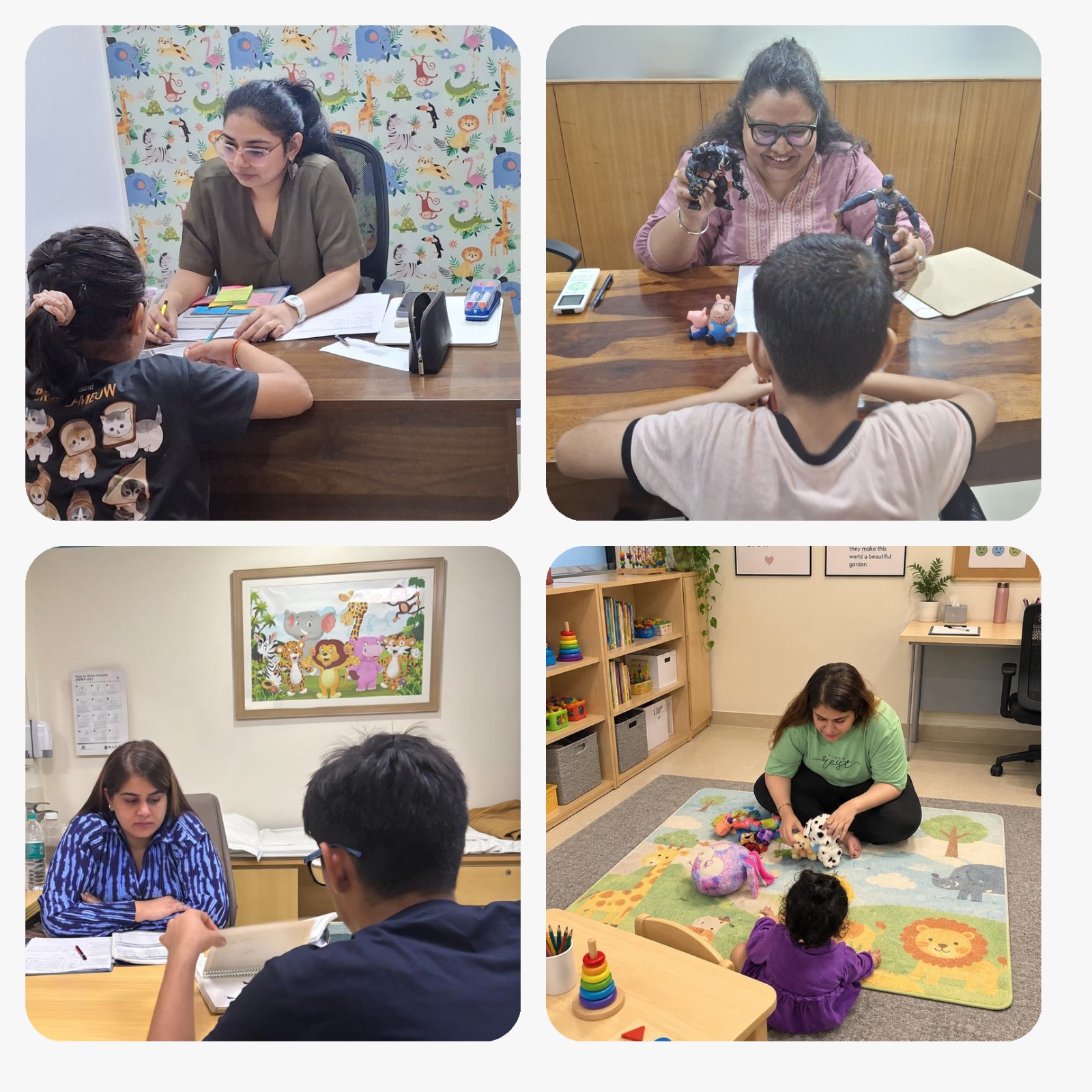
From understanding a child’s unique strengths and needs to preparing them for the future, our six pillars work together—like branches growing from one strong root—to nurture potential, empower families, and create inclusive environments where every child can thrive.
Comprehensive psychological, psychoeducational, and developmental assessments that help families and schools understand a child’s unique profile of strengths and challenges—and make informed decisions about learning, development, and support.
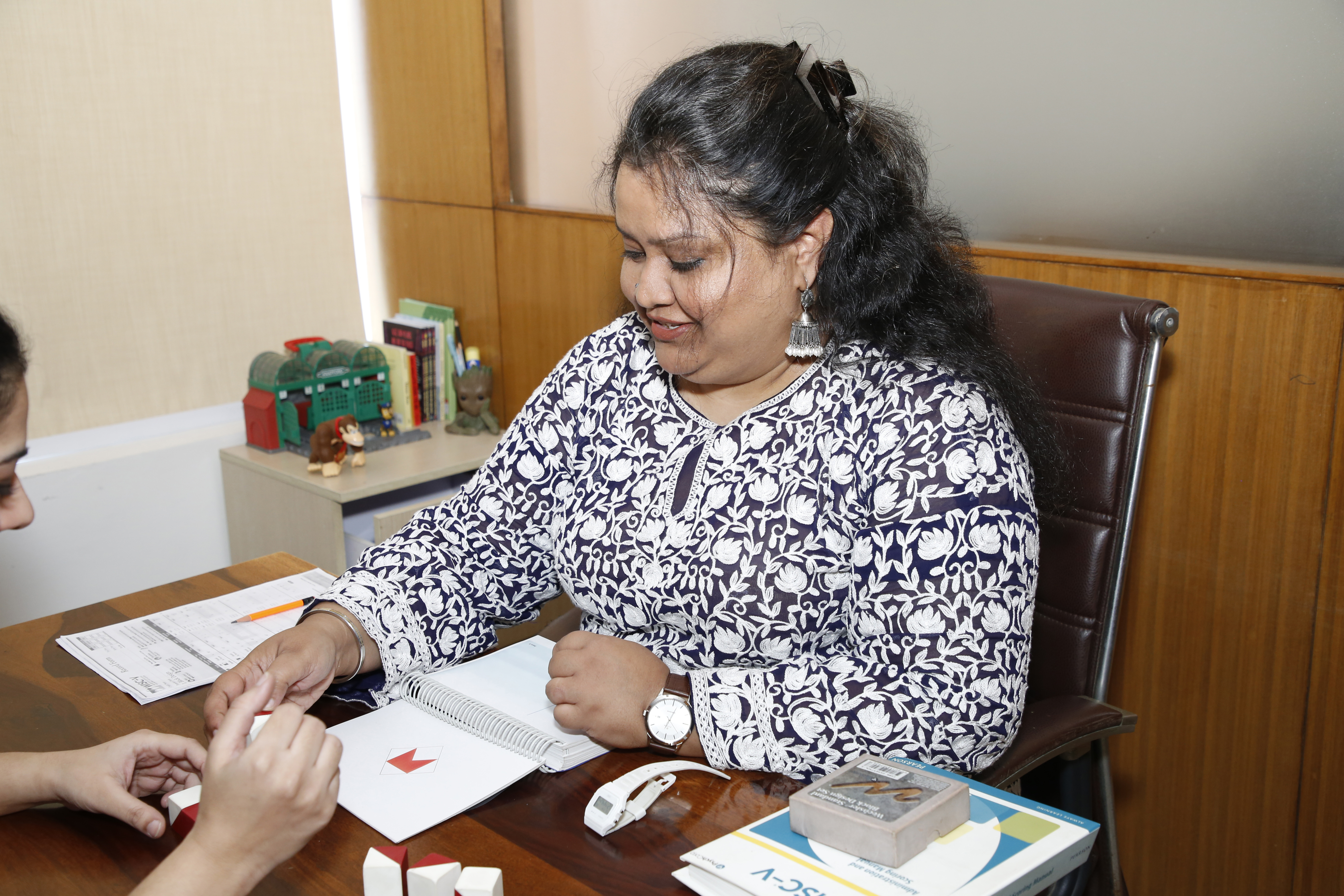
At Kidspiration, assessment is not simply about arriving at a diagnosis. It is about understanding how a child thinks, learns, processes information, communicates, and functions across different environments—and using that understanding to determine the most appropriate way forward.
Our evaluations integrate information from multiple sources, including the child, parents, teachers, school records, developmental history, clinical observations, and standardized psychological and educational assessments. This helps us develop a comprehensive picture of both strengths and areas requiring support.
Comprehensive evaluations for children and adolescents experiencing difficulties with reading, writing, mathematics, attention, processing, academic performance, or classroom learning.
Assessments may examine:
Evaluations may support identification of Specific Learning Disorders, including Dyslexia, Dysgraphia and Dyscalculia, and help determine appropriate interventions and educational accommodations.
Comprehensive assessment of attention, executive functioning, impulsivity, activity level, emotional regulation, and functioning across home and school environments.
Because attention difficulties can arise for many reasons, our evaluations consider the broader developmental, learning, emotional, and environmental context rather than relying on rating scales alone.
Developmentally informed evaluations examining social communication, reciprocal interaction, behaviour, flexibility, sensory features, adaptive functioning, and developmental history.
Where appropriate, assessment also considers co-occurring learning, language, attention, emotional, and developmental needs so that recommendations address the whole child rather than the diagnosis alone.
Some children demonstrate exceptional intellectual or reasoning abilities while simultaneously experiencing difficulties related to learning, attention, executive functioning, emotional regulation, or other developmental needs.
Our assessments help identify these complex and often uneven profiles so that a child’s strengths are nurtured while areas of difficulty receive appropriate support.
Assessment of cognitive, developmental, adaptive, behavioural, social-emotional, and functional abilities for children presenting with developmental concerns or differences.
The goal is to clarify the child’s current developmental profile and translate assessment findings into practical recommendations for home, school, intervention, and future planning.
For students with documented learning or developmental needs, comprehensive psychoeducational evaluations can help establish the functional impact of their difficulties and identify accommodations that may provide equitable access to learning and examinations.
Recommendations may include accommodations such as additional time, use of a word processor, supervised rest breaks, separate setting, reader/scribe support, assistive technology, or other arrangements where clinically and educationally appropriate.
All recommendations are made according to the student’s individual profile and remain subject to the eligibility requirements and approval policies of the relevant school, examination board, university, or testing authority.
Every assessment concludes with more than a diagnostic impression. Families receive an explanation of the child’s profile, areas of strength and difficulty, and clear recommendations for intervention, educational planning, accommodations, and support.
Where appropriate, we also collaborate with schools and other professionals so that assessment findings can be translated into meaningful strategies in the environments where the child learns and develops.
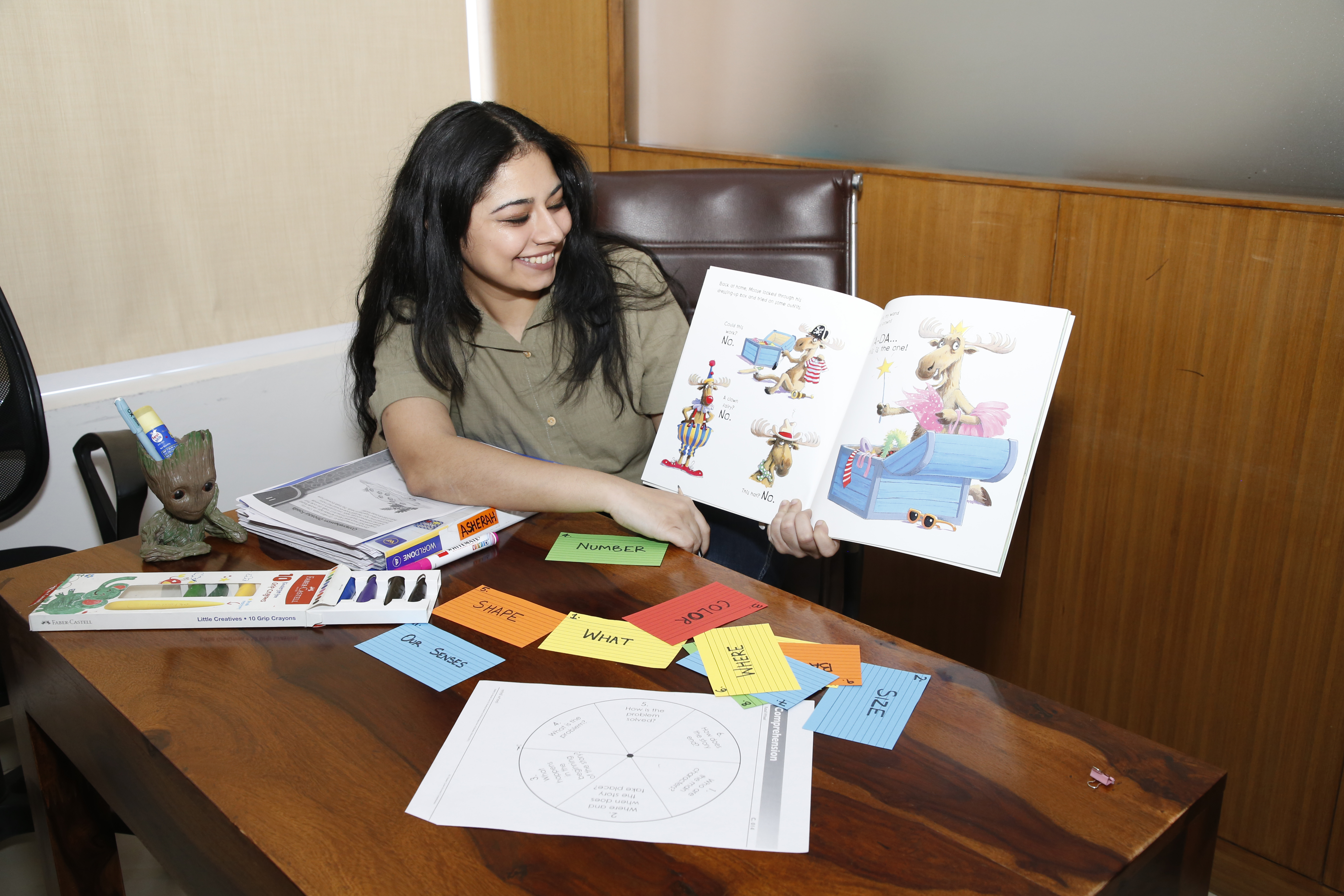
Structured, evidence-informed programs designed to strengthen the cognitive, executive, social, and emotional skills children and adolescents need to become more confident, independent, and effective learners.
Academic success depends on much more than intelligence or subject knowledge. Children and adolescents also need to be able to plan, organize, manage time, regulate emotions, sustain effort, communicate effectively, solve problems, and adapt to challenges.
Kidspiration’s Intervention & Enrichment programs are designed to systematically develop these underlying skills. Rather than focusing only on areas of difficulty, our approach combines targeted intervention with strengths-based enrichment, helping children become more independent, confident, self-aware, and prepared for increasingly complex academic and life demands.
Programs may be offered individually or in small groups and are selected according to the child’s age, developmental profile, and identified needs.
Helping children and adolescents develop the skills required to manage themselves and their learning more independently.
Key areas include:
For older students, these skills become particularly important as academic demands increase and greater responsibility shifts from parents and teachers to the student.
Structured programs that help children understand themselves, navigate relationships, and respond more effectively to everyday social and emotional situations.
Areas may include:
The objective is not simply to teach children what appropriate behaviour looks like, but to help them understand why, when, and how to use these skills in real-life situations.
Helping children and adolescents become more aware of their emotional experiences and develop healthier ways of responding to them.
Programs may address:
The emphasis is on developing practical strategies that children can gradually internalize and use independently
Some children have adequate or strong reasoning abilities but struggle to translate their potential into consistent academic performance. Targeted programs can help strengthen the processes and strategies that support efficient learning.
Areas may include:
Children are taught to become active learners who understand which strategies work best for them, rather than relying primarily on adult prompting.
As children move into adolescence, intervention increasingly needs to prepare them not only for examinations but also for greater independence.
Programs for middle- and high-school students may focus on:
Many of these programs are brought together through KASS, Kidspiration’s structured skill-development platform for school-age children and adolescents.
KASS modules integrate areas such as executive functioning, study skills, social-emotional learning, emotional intelligence, cognitive proficiency, self-management, and adolescent life skills.
Modules can be selected according to a student’s developmental stage and individual needs, allowing intervention to move beyond a one-size-fits-all approach.
The ultimate goal of intervention is not to make a child permanently dependent on intervention.
Our programs aim to help children understand themselves, develop effective strategies, practise those strategies in meaningful situations, and gradually apply them independently across school, home, relationships, and everyday life.
Evidence-based career and educational guidance that helps students understand their strengths, interests, aptitudes, and learning profile—so they can make informed choices about subjects, educational pathways, higher education, and future careers.
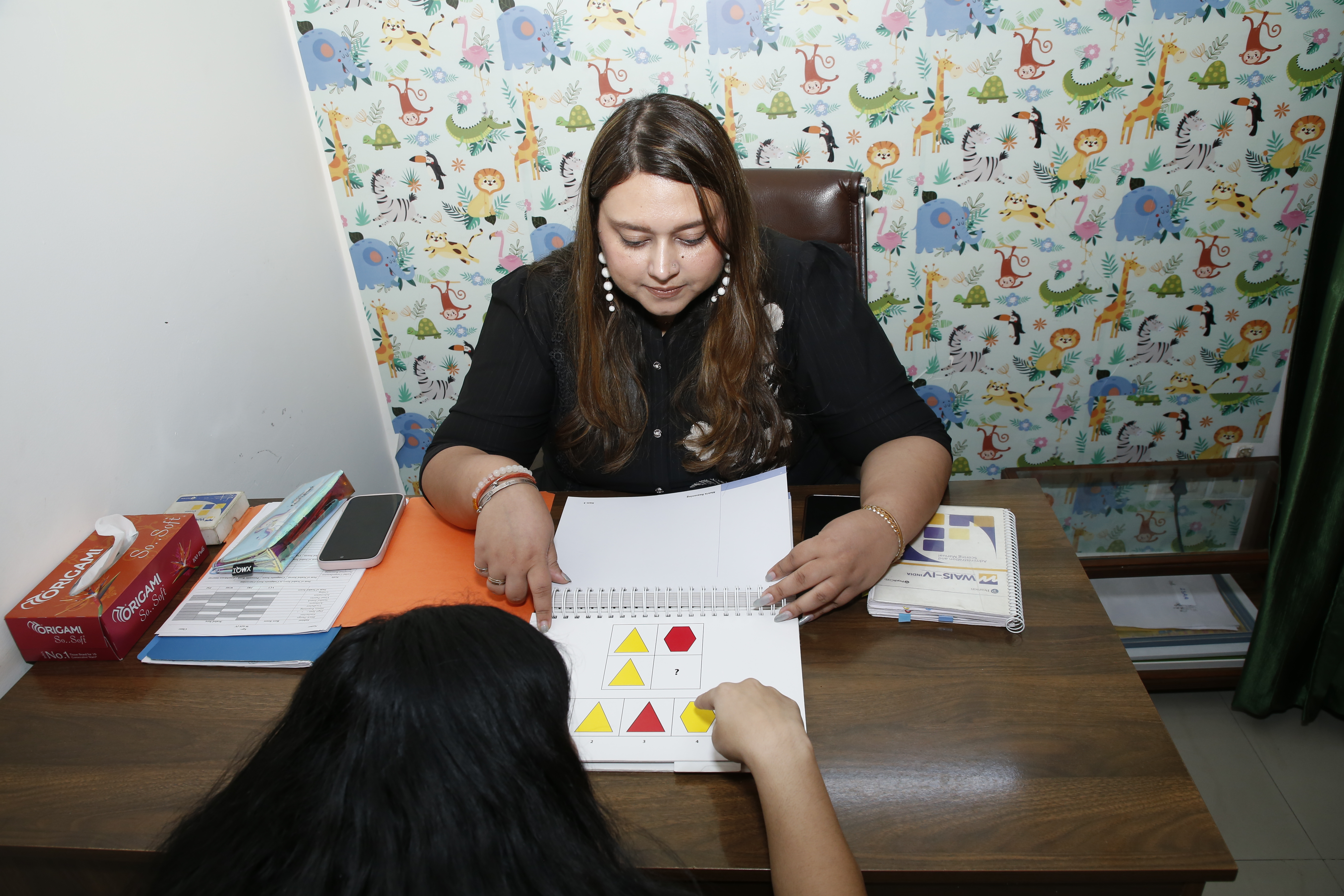
Choosing subjects, educational pathways, and future careers is not a single decision—it is a developmental process.
At Kidspiration, career guidance begins with understanding the student. We bring together psychological assessment, aptitude, interests, personality, learning strengths, academic profile, and aspirations to help students make choices that are both realistic and aspirational.
Our goal is not to tell students what they should become, but to help them understand who they are, what they are good at, what possibilities may suit them, and how to build a pathway towards their future.
Comprehensive career assessments help students identify patterns across their abilities, interests, preferences, and potential career directions.
Depending upon the student’s age and needs, assessment may explore:
Rather than interpreting individual test scores in isolation, findings are integrated to create a meaningful profile of the student and identify educational and career possibilities for further exploration.
Subject choices made during middle and high school can influence later educational opportunities.
We help students and families evaluate subject combinations by considering:
The objective is to create a subject combination that keeps appropriate opportunities open while remaining suited to the student’s individual profile.
Students today may be navigating very different educational systems, curricula, and routes to higher education.
Kidspiration helps families think strategically about the journey through middle and high school, including subject choices, academic expectations, curriculum pathways, accommodations where relevant, and preparation for higher education
Planning is particularly valuable at key transition points when students are making decisions that may affect future course and university options.
Assessment provides direction—but career development should extend beyond a list of recommended occupations.
Students are encouraged to explore:
This helps transform assessment findings into concrete possibilities that students can investigate and experience.
Career planning can be more complex for students with Specific Learning Disorders, ADHD, Autism, giftedness, or twice-exceptional profiles.
A student may demonstrate exceptional reasoning or creativity while simultaneously experiencing difficulties with processing speed, working memory, written output, executive functioning, social communication, or other aspects of learning.
For these students, career planning should consider both strengths and functional challenges
We help families identify pathways that capitalize on the student’s abilities while also considering the academic environment, course demands, accommodations, assistive technology, and support that may enable the student to succeed.
Academic qualifications alone do not prepare young people for university, work, and adult independence.
Where appropriate, career planning can connect with Kidspiration’s intervention and enrichment programs to strengthen:
Our career guidance process is designed to leave students and families with more than assessment scores or a list of occupations.
The aim is to develop a clearer understanding of the student, a set of suitable possibilities, and an actionable roadmap for subject selection, educational planning, skill development, and future exploration.
As interests, abilities, and opportunities evolve, this roadmap can evolve with the student.
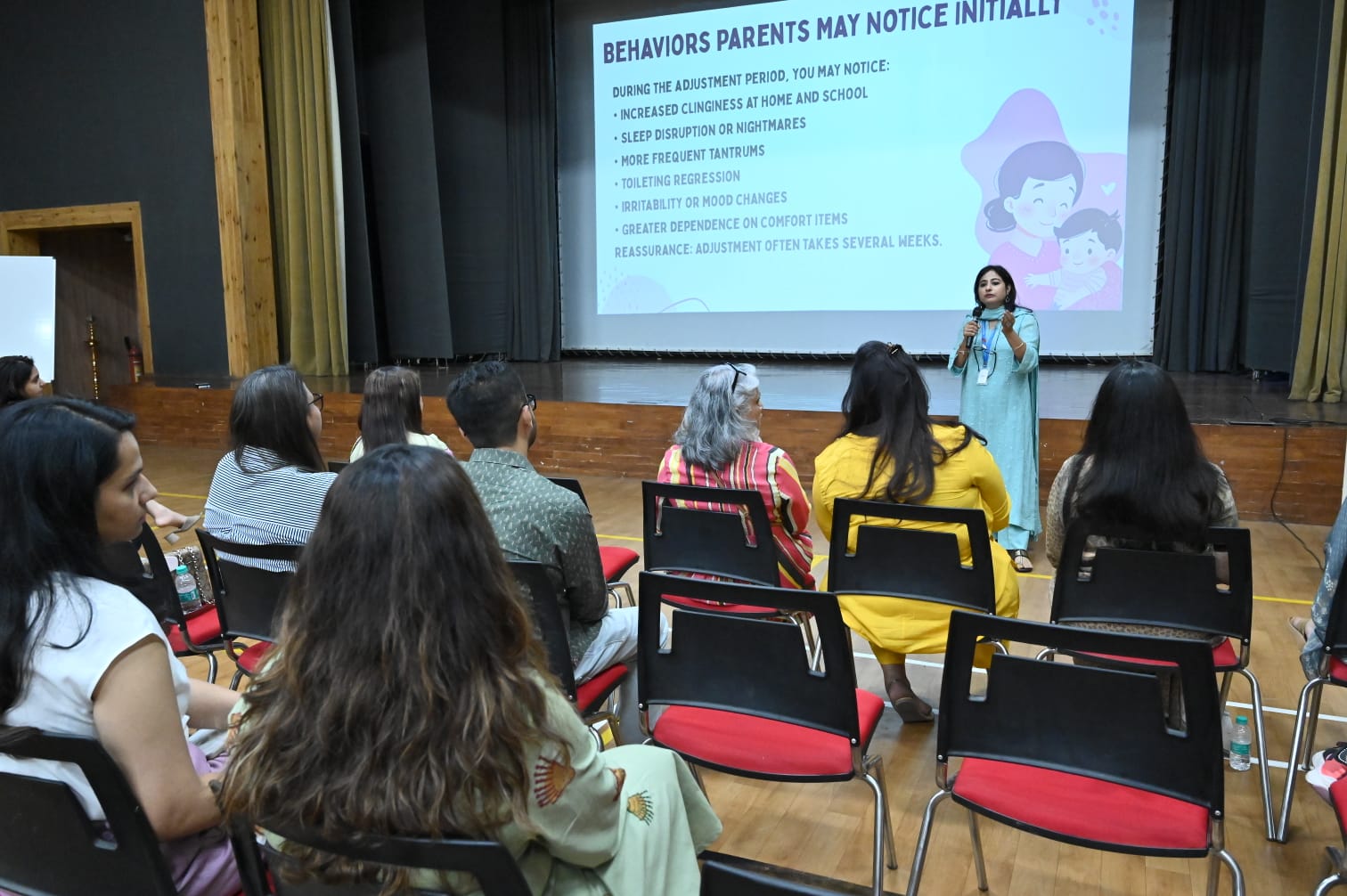
Practical, evidence-informed parenting guidance that helps parents understand their children, strengthen relationships, communicate more effectively, and raise emotionally healthy, resilient, and increasingly independent young people
There is no single formula for raising a child. Children change as they grow, family circumstances evolve, and what works at one developmental stage may not work at another.
At Kidspiration, our parenting programs help parents understand how children think, feel, communicate, behave, and develop—and translate that understanding into practical everyday parenting.
Drawing upon child psychology, developmental science, and positive parenting principles, our approach focuses not simply on managing difficult moments, but on strengthening the parent–child relationship, building emotional wellbeing, encouraging responsibility and independence, and creating a family environment in which both children and parents can thrive.
Our parenting programs are relevant to all families—whether parents are navigating everyday parenting questions, a particular developmental stage, behavioural or emotional concerns, academic pressures, adolescence, or the additional needs of a child with learning or developmental differences.
A strong relationship with parents provides an important foundation for a child's confidence, emotional security, and development.
Parents explore practical ways to strengthen connection through:
The emphasis is not necessarily on spending more time together, but on making everyday interactions more intentional and meaningful.
Positive parenting does not mean saying yes to everything or avoiding discipline. Children benefit from both warmth and structure.
Parents learn how to:
The goal is to move away from parenting driven primarily by punishment, fear, or repeated correction toward guidance, consistency, communication, and teaching.
Children's behaviour is influenced by their age, temperament, emotions, relationships, experiences, environment, and developing ability to regulate themselves.
Parents learn to look beyond the immediate behaviour and ask:
Programs may help parents understand:
Understanding behaviour allows parents to respond more thoughtfully while still maintaining appropriate expectations and accountability.
As children grow, communication becomes increasingly important—and sometimes increasingly difficult.
Parents develop strategies for
Good communication does not mean parents and children will always agree. It means children learn that difficult conversations can happen without damaging the relationship.
Children need opportunities to experience disappointment, frustration, mistakes, and manageable challenges in order to develop resilience.
Parents learn how to help children:
An important part of parenting is learning when a child needs comfort and support and when they need the opportunity to work through a manageable difficulty themselves.
Parents naturally want their children to succeed, but constant comparison, excessive praise, or unrealistic expectations can sometimes have the opposite effect.
Programs explore how parents can:
The aim is to develop secure confidence rather than dependence on external approval.
One of the long-term goals of parenting is gradually becoming less necessary in the child's everyday functioning.
Parents learn how to shift responsibility appropriately as children grow by encouraging:
Parents are encouraged to consider an important question:
Support should gradually evolve from doing → helping → guiding → stepping back.
Today's parents are raising children in an environment very different from the one in which they grew up.
Programs can help families navigate:
The focus is on developing healthy digital habits and self-regulation, rather than relying exclusively on restriction.
Parenting needs to evolve as children grow.
Support can be tailored to the challenges and opportunities associated with:
Early Childhood — routines, behaviour, emotional development, independence and school readiness.
Primary Years — confidence, friendships, learning habits, responsibility, communication and boundaries.
Pre-Adolescence — growing independence, peer relationships, emotional changes, school demands and identity.
Adolescence — communication, autonomy, academic pressure, friendships, technology, decision-making, boundaries and preparing for adulthood.
The underlying relationship remains important, but the parent's role needs to change as the child's capacity for independence increases.
Some families also need guidance in understanding children with learning, attention, developmental, or other individual differences.
Where relevant, parent guidance may help families:
This is one aspect of Parent Empowerment rather than its defining focus. Every child has an individual developmental profile, and effective parenting begins with understanding the child in front of you.
Kidspiration's Parent Empowerment services can be offered through:
Programs can be experiential and interactive, using real-life parenting scenarios, reflection, discussion, role-play, and practical strategies that parents can take back into everyday family life.
Our goal is not to create “perfect parents” or prescribe one parenting style for every family.
It is to help parents become more confident, reflective, connected, and intentional—understanding when to guide, when to set boundaries, when to listen, when to encourage, and when to step back.
When parents feel better equipped to understand and respond to their children, they create the foundations for children to grow into confident, emotionally healthy, resilient, responsible, and independent young people.
Practical, evidence-informed professional development that equips educators to understand diverse learners, identify barriers to learning, and translate psychological and educational knowledge into effective everyday classroom practice.
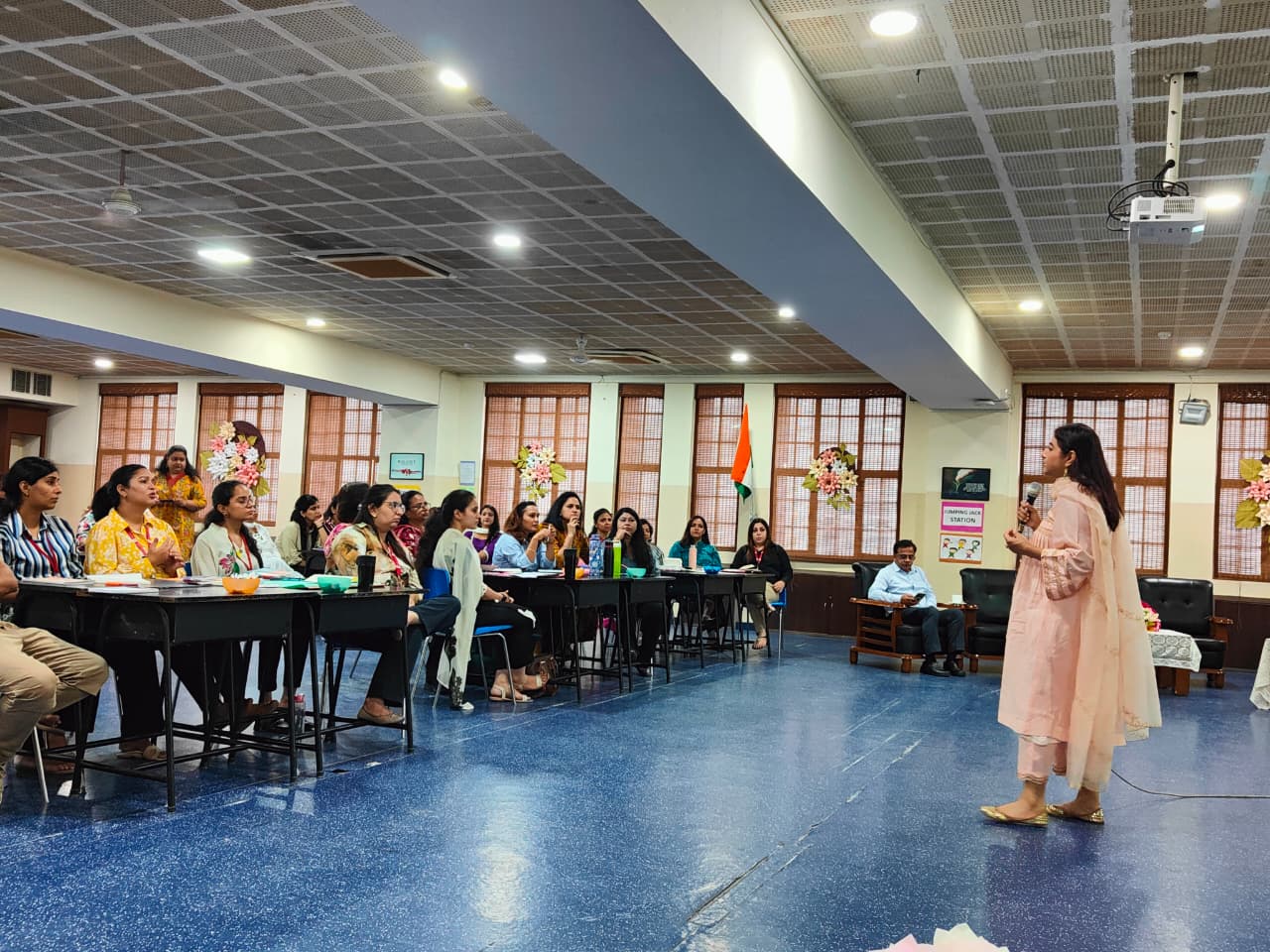
Teachers are often the first professionals to recognize when a child is learning, communicating, behaving, or responding differently. Yet recognizing a difficulty is only the beginning. Effective inclusion requires educators to understand why a student may be struggling, what the behaviour or learning pattern may indicate, and how classroom practice can be adapted without lowering meaningful expectations.
Kidspiration’s teacher-training programs bridge the gap between psychology, assessment, special education, and everyday classroom practice.
Our programs are practical, evidence-informed, and designed to give educators strategies they can apply directly in their classrooms
Teachers develop a practical understanding of the different ways children may learn, communicate, regulate themselves, and participate in the classroom.
Training may include:
The emphasis is on moving beyond labels to understand how different profiles actually present in the classroom.
Teachers learn how to distinguish between ordinary variation in learning and patterns that may warrant closer monitoring or professional evaluation.
Training focuses on:
The objective is early recognition and appropriate support—not diagnosis by teachers
Psychological and psychoeducational reports contain valuable information, but assessment findings only become meaningful when they influence what happens in the classroom.
Teachers learn to understand:
Most importantly, educators learn to translate assessment findings into the practical question:
Inclusion does not mean teaching every child in exactly the same way.
Teachers learn practical approaches for providing access while maintaining appropriate learning expectations, including:
The focus is on strategies that are realistic within everyday classroom environments, not approaches that require a completely separate curriculum for every learner.
Teachers and learning-support teams learn to distinguish between accommodations that provide equitable access and modifications that change what a student is expected to learn.
Training may address:
This helps schools make support decisions based on functional need rather than diagnosis alone
An effective IEP should be a working educational document—not simply an annual administrative exercise.
Training helps educators develop:
Teachers learn to move from broad objectives such as “improve reading” or “improve attention” toward specific targets that can actually be taught, measured, and reviewed.
Behaviour is considered within its developmental and functional context rather than simply as compliance or non-compliance.
Training may include:
Successful inclusion depends on coordinated support.
Teachers learn approaches for strengthening collaboration between:
The aim is to reduce fragmented support and establish shared goals, clear responsibilities, and consistent strategies across environments.
Every school is at a different stage in its inclusion journey. Kidspiration therefore offers training that can be adapted to the needs of individual schools.
Programs may include:
Training can therefore progress from awareness → identification → planning → implementation → review, helping schools move from knowing about inclusion to actually practising it.
The ultimate goal of Kidspiration’s teacher training is not to make teachers dependent on external specialists.
It is to build the knowledge, confidence, and practical competence within schools so educators can recognize diverse learning needs, respond appropriately, collaborate effectively, and create classrooms in which more students can participate and succeed.
Strategic, whole-school consultation that helps schools evaluate existing practices, strengthen learning-support systems, and build sustainable frameworks for inclusion—from policy and identification to intervention, classroom practice, and progress monitoring.
Creating an inclusive school requires more than an inclusion policy or a learning-support department. Sustainable inclusion depends on how effectively a school identifies student needs, plans support, builds teacher capacity, coordinates specialist services, monitors progress, and embeds inclusive practice across the entire school community.
Kidspiration partners with schools to evaluate existing systems, identify gaps, strengthen professional capacity, and develop practical frameworks that can be sustained within the school.
Our approach brings together expertise in child development, psychology, special education, assessment, intervention, counselling, therapy services, and inclusive education—allowing us to look beyond individual students and examine the system around the learner.
A comprehensive inclusion audit provides schools with an objective review of how effectively current systems are meeting the needs of diverse learners.
Depending on the scope of the consultation, an audit may include:
The process identifies both existing strengths and areas requiring development, followed by practical recommendations and priorities for implementation.
Effective learning support requires more than providing additional help to students who are struggling.
Kidspiration works with schools to develop structured systems for:
The objective is to develop a learning-support system that is structured, accountable, and integrated with classroom learning.
Schools benefit from moving away from a simple model of “wait for failure and then refer for assessment.”
Kidspiration supports schools in developing Multi-Tiered Systems of Support (MTSS) and Response-to-Intervention (RTI) approaches in which student needs are identified early and support increases according to the level of need.
Framework development may include:
This creates a continuum of support rather than an all-or-nothing distinction between students receiving SEN services and those who do not.
An IEP should guide what happens with the student—not simply fulfil a documentation requirement.
Kidspiration helps schools strengthen the quality and consistency of their IEP processes through:
Schools can also be supported in distinguishing between an annual IEP, targeted intervention plan, and day-to-day lesson planning, allowing each document to serve a clear purpose.
School counselling is an important component of an inclusive student-support system.
Consultation may examine:
The aim is to ensure that counselling operates as an integrated component of student support rather than an isolated service.
Where schools provide occupational therapy, speech-language therapy, or other specialist services, consultation can examine how effectively these services connect with the child's functional and educational needs.
Areas of review may include:
The emphasis is on ensuring that therapy contributes to meaningful participation, communication, independence, and learning.
Kidspiration works with school leadership to translate the principles of inclusion into clear operational practices.
Consultation may address:
Policies are most effective when staff understand how they translate into everyday decisions and classroom practice.
Sustainable change cannot depend indefinitely on an external consultant.
School consulting therefore works alongside Kidspiration’s Teacher Training pillar to develop the capacity of teachers, special educators, counsellors, therapists, coordinators, and school leaders.
Capacity-building may include structured modules on:
Recommendations alone rarely change systems.
Where required, Kidspiration can support schools beyond the initial audit through:
Follow-up consultation can help teams address implementation challenges, review documentation and practices, refine systems, and measure progress over time.
This allows school consulting to become a developmental partnership rather than a one-time review.
The ultimate goal of school consulting is not to make a school dependent on external expertise.
It is to help schools develop the knowledge, structures, professional capacity, and shared accountability required to identify and support diverse learners effectively.
When inclusion becomes embedded across leadership, classrooms, learning support, counselling, therapy, and family collaboration, it moves from being a separate service to becoming part of how the school works.

My journey with children began long before I became a psychologist
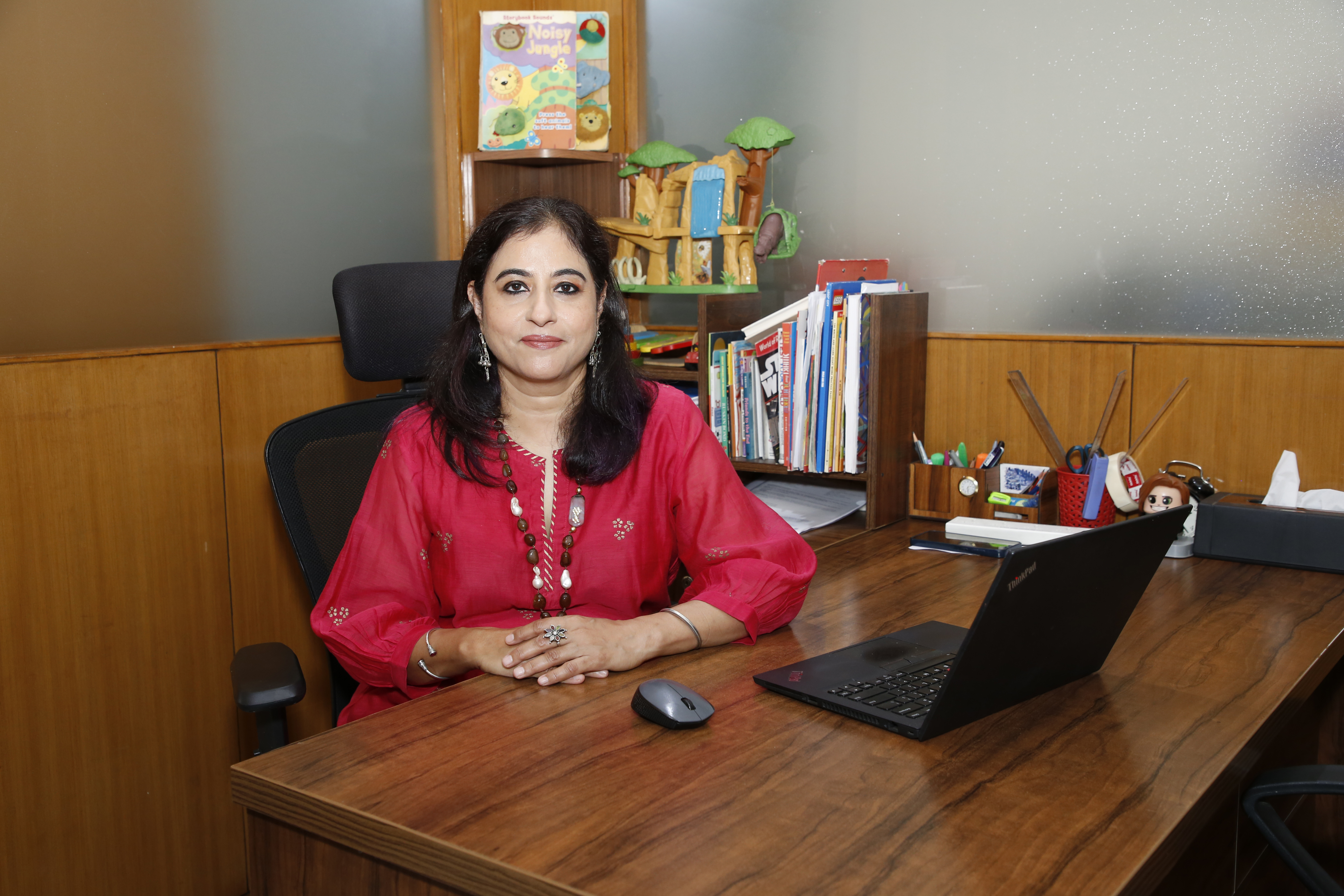
With over 25 years of professional experience, Satinder has dedicated her career to supporting children's holistic development and well-being across India and the USA.
As a monitor and captain, I naturally found myself supporting classmates who needed a little extra help. I did not have the answers then, but I had a growing curiosity about children, learning, and what helps them reach their potential.
That curiosity eventually became my life's work.
I pursued my BA and MA in Psychology from the University of Delhi, followed by an internship in Pediatric Psychology at Sir Ganga Ram Hospital, New Delhi. The experience introduced me to the importance of looking at a child from multiple perspectives—not simply through a diagnosis, but through their development, learning, emotions, family, and environment.
I went on to work at Sir Ganga Ram Hospital as part of a multidisciplinary pediatric team, working alongside professionals from different disciplines and learning how much more powerful support can be when professionals work together around the child.
I then moved to the United States to pursue a Master's in School Psychology at the University of Central Oklahoma. My years as a school psychologist in Oklahoma and Arizona deepened my understanding of learning differences, special education, assessment, school systems, and the importance of creating educational environments where children with different needs can participate and succeed.
Working within schools also reinforced something I had begun to understand much earlier:
In 2010, I returned to India, started a family, and became a parent myself.
Becoming a parent added another dimension to my professional journey. I began to experience firsthand the questions, uncertainties, hopes, and everyday decisions that come with raising a child.
In 2011, I started Kidspiration—an initiative born from a desire to bring together what I had learned across clinical settings, schools, families, and different educational systems.
Over the years, Kidspiration has grown through my work with children, parents, educators, schools, and organizations. What began with assessment and psychological support gradually expanded into intervention, parent guidance, teacher training, school consulting, and inclusive education.
My work with families increasingly made me realize that supporting a child cannot happen in isolation.
Parents need more than a diagnosis or a list of recommendations. They need to understand their child, feel confident in their parenting, and have practical ways to build connection, emotional wellbeing, resilience, responsibility, and independence.
This led me to deepen my work in positive parenting and parenting coaching.
In 2020, I began my PhD research, focusing on positive parenting interventions and the role they can play in promoting children's self-concept and wellbeing. This research further strengthened my belief that helping parents build positive, responsive relationships with their children is one of the most powerful ways we can influence children's development.
Today, my work is driven by three closely connected questions:
How can we help children understand and develop their strengths?
How can we empower families to raise confident, resilient and emotionally healthy children?
How can we help schools become more inclusive places where every learner can belong, participate and thrive?
I am particularly passionate about child wellbeing, positive parenting, resilience, inclusive education, and strengthening school systems. My work with schools includes supporting SEN departments, reviewing and developing learning-support systems, conducting inclusion audits, building teacher capacity, and helping educators understand and respond to neurodivergent learners.
At the same time, Kidspiration continues to develop programs that support children beyond academics—including social-emotional learning, executive functioning, study skills, emotional intelligence, critical thinking, and future readiness.
I believe children do not need to be defined by their difficulties.
They need adults who can see their strengths, understand their needs, create the right opportunities, and believe in their potential.
And schools need systems that make inclusion part of everyday practice—not simply a policy or a separate service.
That is the vision behind Kidspiration.
What began with a schoolgirl wondering why some children struggled has become a professional journey spanning more than 25 years across India and the USA.
The question has remained the same.
Kidspiration is my continuing answer to that question—bringing together psychology, education, parenting, intervention, and inclusion to help children find their strengths, families flourish, and schools become more inclusive.
Founder & Director, Kidspiration
A multidisciplinary team of psychologists and specialists dedicated to supporting children and families with compassionate, evidence-based care.

Radhika is a Child Psychologist with training in counselling psychology, education, rehabilitation psychology, and guidance and counselling. She has experience supporting children with learning, developmental, emotional, and behavioural difficulties, including Dyslexia, Dysgraphia, Autism Spectrum Disorder, ADHD, Intellectual Disability, and Specific Learning Disorders. Radhika has worked in clinical settings alongside senior psychologists and is trained in psychological assessment and autism screening. Her approach is child-centred, strengths-based, and evidence-informed, with a focus on providing practical and individualised support for children and adolescents across academic, emotional, behavioural, and developmental domains.

Samrita is a psychologist and social development professional with over 10 years of experience in mental health, child and adolescent development, disability inclusion, child protection, women’s empowerment, and community development. She has worked with children, families, schools, NGOs, and multidisciplinary teams, providing psychological support, developmental assessments, counselling, training, and programme leadership. A Certified POCSO Trainer, she is committed to creating safe, inclusive, and trauma-informed environments and believes in integrating mental health with education, child protection, gender equity, and community well-being to promote dignity, resilience, and meaningful social change.

Sonali is a psychologist specializing in counselling and rehabilitation psychology, with expertise in supporting children and young adults with autism, ADHD, learning disabilities and neurodevelopmental challenges. She holds a Master’s in Counselling Psychology (Amity University), along with qualifications in Rehabilitation Psychology, Special Education and certifications as a Global Career Counsellor and Happiness Coach. Her clinical background includes experience as a Counsellor, ABA Therapist, Child Psychologist and Clinical Trainer, with proficiency in psychoeducational evaluations. Sonali employs a strengths-based approach to foster emotional well-being, resilience and holistic development, empowering individuals and families to thrive through compassionate, evidence-based support.

Khyati is a psychologist and reading interventionist who is passionate about helping children become confident and successful learners. Her work is deeply shaped by childhood experiences that fostered an early understanding of the challenges children may face in learning, attention, and emotional development, and the meaningful difference that appropriate support can make.
She believes that every child deserves to feel understood, capable, and supported, and works closely with children experiencing learning and attention-related difficulties. Using a child-centred and strengths-based approach, Khyati works to understand each child’s unique profile of strengths and needs to focus on supporting reading development, learning, confidence, and overall well-being.

Aditi Mittal is a Child Psychologist at Kidspiration and is currently pursuing an M.Phil./M.Clin. Psy (RCI). She works with children experiencing learning, attention, behavioural, and emotional difficulties, with a particular interest in understanding individual learning styles and supporting children through evidence-based interventions. At Kidspiration, she contributes to psychological assessments across cognitive, academic, behavioural, and socio-emotional domains and provides individualized support for reading, comprehension, writing, ideation, and foundational literacy skills. Her approach is strengths-based and child-centred, with a focus on helping children build confidence in their ability to learn and grow.
Resources and updates on autism, child development, and behavioral health.